

Buy Products From MyLink Tech
Contact us if you are interested in buying Our Products
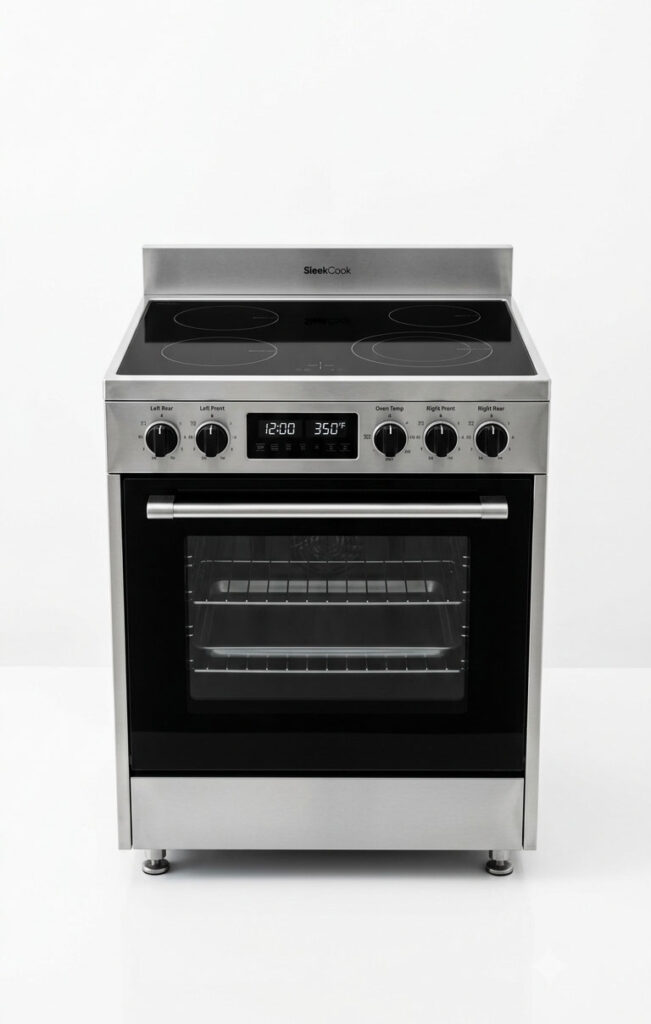
Stoves
transferring thermal energy to your food—the underlying mechanics range from chemical combustion to magnetic fields.
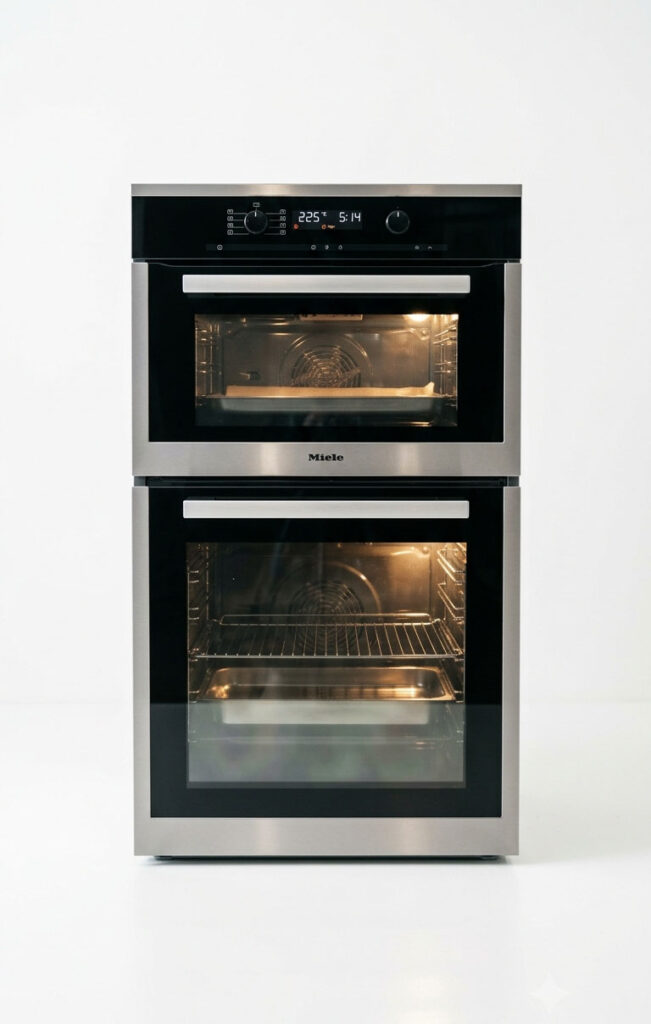
Ovens
an oven is an insulated box designed to capture, hold, and regulate thermal energy. How that heat is generated and moved around depends on whether you're using electric, gas, or convection, but all ovens rely on three fundamental principles.
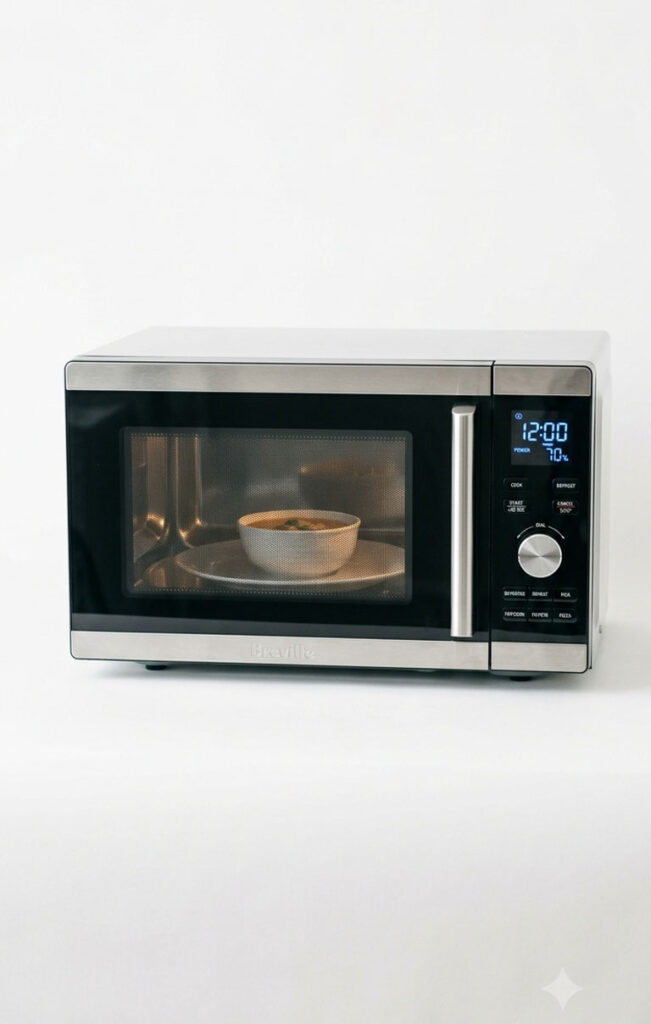
Microwaves
Microwaves heat food through a process called dielectric heating. Instead of applying external heat like a conventional oven, a microwave uses electromagnetic waves to excite water, fat, and sugar molecules inside your food, causing them to vibrate and generate heat from within.
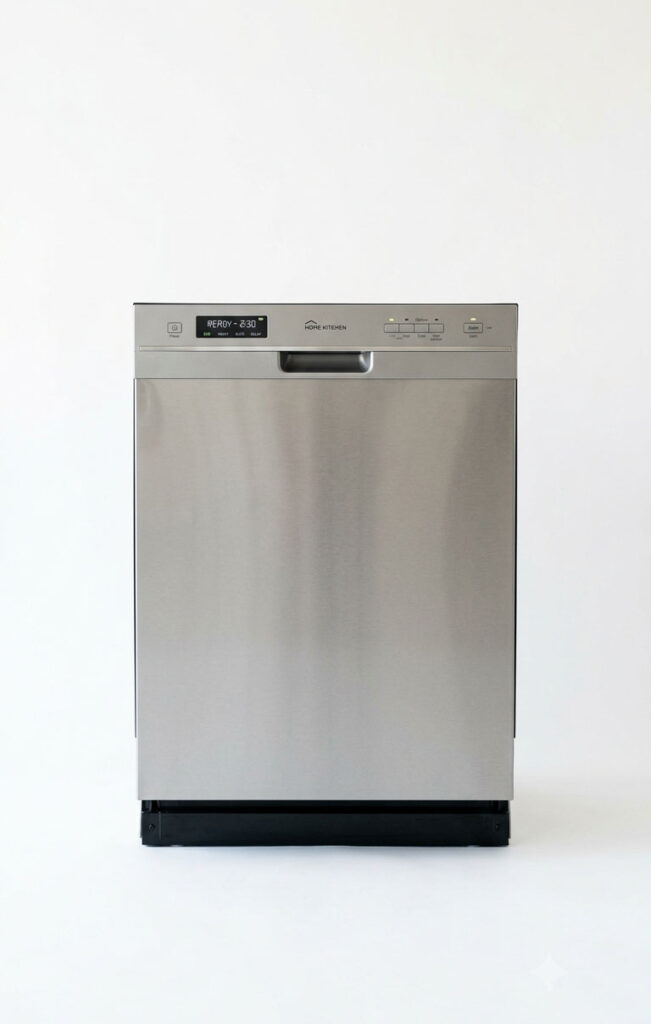
Dishwasher
Contrary to popular belief, a dishwasher doesn't fill up with water like a bathtub. Instead, it operates more like a high-powered, automated car wash for your dishes—recirculating a small pool of water and blasting it through rotating spray arms.
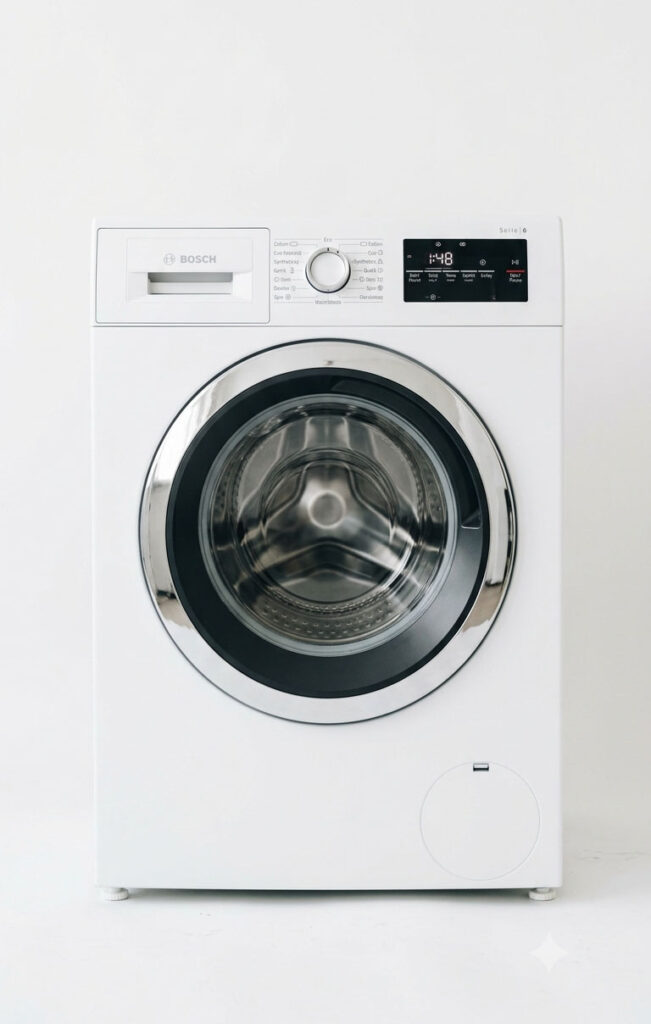
Washing Machines
At its core, a washing machine automates four basic steps: filling, washing, draining, and spinning. It combines mechanical motion, water temperature control, and centrifugal force to clean clothing.
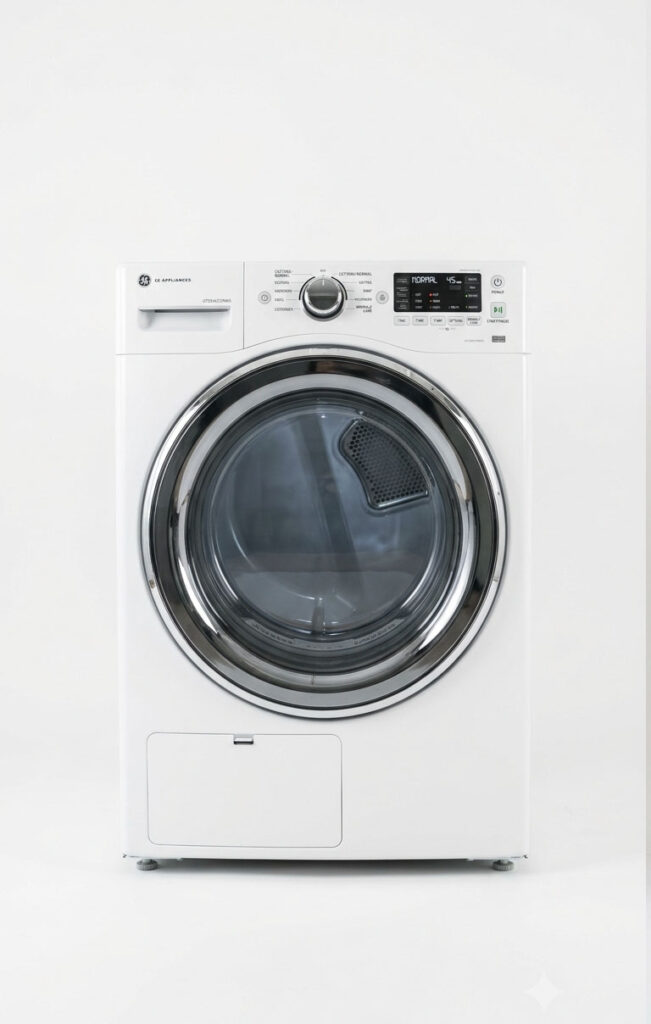
Dryer
Every clothes dryer relies on the exact same formula to dry your laundry: a combination of heat, airflow, and tumbling. Whether you have a gas or electric model, the underlying process follows four primary steps. Air Intake & Heating, Tumbling the Laundry, Moisture Extraction & Exhaust, Temperature & Safety Controls.
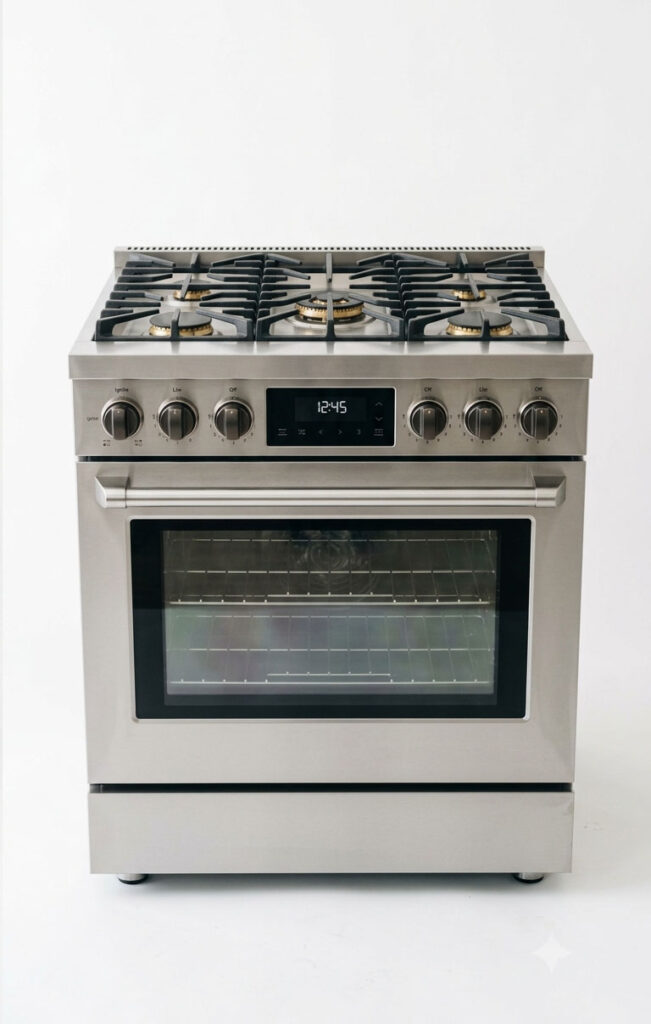
Gas & Electric Range
Gas and electric ranges both integrate a cooktop and an oven into a single appliance, but they rely on fundamentally different principles: chemical combustion for gas and electrical resistance for electric.
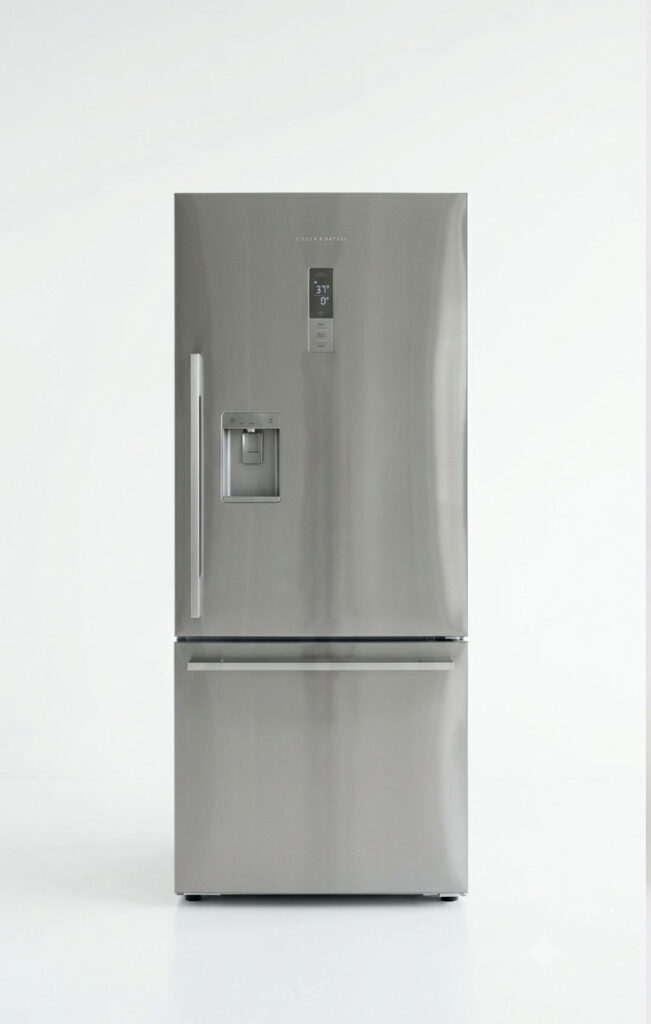
Refrigerator
It operates on the principle of vapor-compression refrigeration. A chemical refrigerant circulates through a closed system of coils, absorbing heat from inside the fridge and expelling it into the surrounding air outside.